How Coffee Spaces Improve Team Interaction
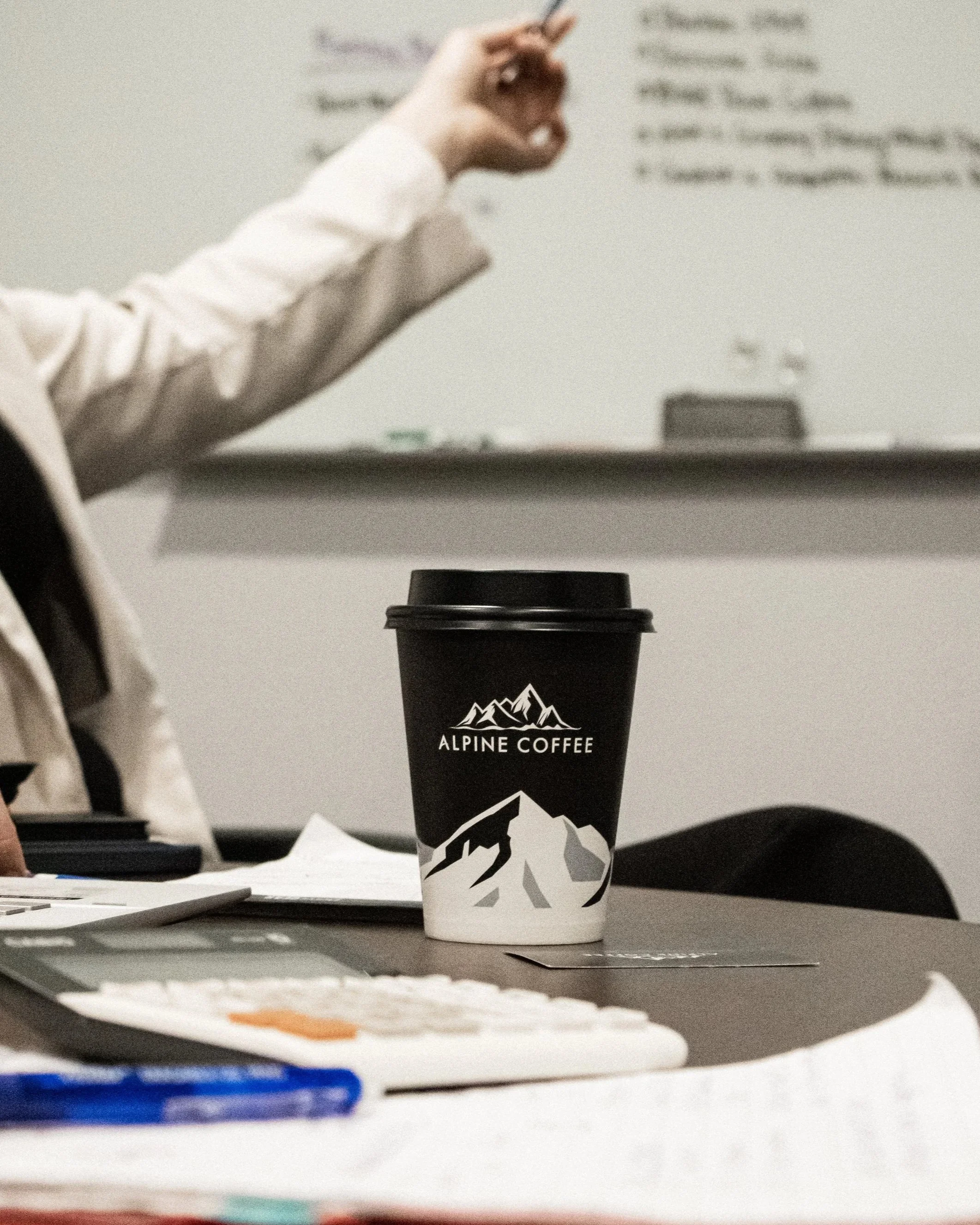
In modern workplaces, collaboration is rarely built only through meetings and scheduled discussions. Many of the most valuable conversations - quick problem-solving moments, new ideas, and cross-department connections - begin informally. One of the most consistent environments where these interactions naturally happen is the workplace coffee space.
A well-designed coffee area does more than provide beverages. It creates a shared point of connection that encourages communication, strengthens team relationships, and supports a healthier workplace culture.
Informal Conversations Build Stronger Teams
Formal meetings are structured and goal-driven, but innovation often starts in casual conversations. Coffee spaces provide a relaxed setting where employees feel more comfortable sharing ideas, asking quick questions, or discussing ongoing projects.
Research shows that communal breaks can increase workplace communication and collaboration by encouraging spontaneous interaction between colleagues who may not normally work together.
Similarly, workplace interaction studies demonstrate that coffee breaks often serve as low-pressure environments where employees exchange ideas, build trust, and strengthen team relationships.
Read more here how coffee catch-ups involve the business success
These small daily moments create the foundation for stronger long-term collaboration.
Breaking Down Department Silos
Many organizations struggle with communication gaps between departments. Teams focus on their own tasks, and opportunities for natural cross-team interaction become limited. Coffee areas help solve this challenge by acting as shared spaces used by everyone - operations teams, management, administrative staff, and specialists.
When employees meet outside formal work settings, conversations naturally expand beyond job titles or departments. Over time, these interactions improve information flow, make collaboration easier, and reduce internal communication barriers that can slow down projects.
Workplace culture studies consistently show that casual break-time interaction helps strengthen cross-department collaboration and contributes to more cohesive project outcomes.
Improving Engagement and Workplace Connection
Employee engagement is closely linked to the quality of workplace relationships. Simple daily interactions - even brief conversations during a coffee break - help employees feel more connected to colleagues and to the organization as a whole.
Coffee breaks combine two important elements: short mental recovery and social interaction. Research indicates that this combination improves workplace environment quality more effectively than rest breaks alone, supporting both focus and interpersonal connection.
Learn more how do coffee breaks actually affect the work environment here
Because coffee rituals are already part of daily routines, coffee spaces naturally become reliable touchpoints for these interactions without requiring formal programs or scheduled activities.
Supporting Creativity and Problem-Solving
Many workplace challenges are solved not during formal meetings but during quick informal exchanges. Coffee areas create opportunities for employees to discuss ideas casually, ask for quick feedback, or gain new perspectives from colleagues.
Studies on workplace breaks show that short pauses combined with informal interaction can improve problem-solving and collaborative thinking by allowing employees to step away from tasks and return with fresh perspectives.
Over time, organizations that encourage these everyday interaction points often see stronger collaboration, faster knowledge sharing, and more creative teamwork.
Coffee Spaces as Culture Builders
A coffee station is often one of the few locations in the workplace where employees across roles naturally gather. These shared moments help build familiarity, encourage small talk, and strengthen the sense of community - all essential elements of a healthy organizational culture.
Workplace culture research highlights that shared coffee breaks help form “communities of coping,” where employees informally exchange experiences, reduce stress, and support each other during demanding work periods.
Because of this, coffee areas frequently become informal social hubs that contribute to both morale and collaboration.
Designing Coffee Spaces That Encourage Interaction
Not every coffee corner automatically creates engagement. The most effective workplace coffee spaces are:
Easily accessible to all teams
Positioned near natural foot-traffic areas
Designed to accommodate short conversations
Equipped with reliable, high-quality beverage options
Comfortable enough to encourage brief interaction without disrupting workflow
When these elements are combined, the coffee area becomes more than a refreshment station — it becomes a micro-environment that supports communication and teamwork throughout the day.
Small Spaces, Big Impact
Organizations often focus on large collaboration initiatives, complex communication tools, or team-building programs to improve interaction. While these strategies can help, many companies overlook one of the simplest and most consistent drivers of workplace connection: everyday shared moments.
Coffee spaces create those moments naturally. By providing a convenient place where employees can pause, recharge, and connect, companies support stronger relationships, smoother collaboration, and a more engaged workplace environment.
In today’s fast-moving work culture, sometimes the most effective collaboration strategy begins with something simple - a place where conversations can start.